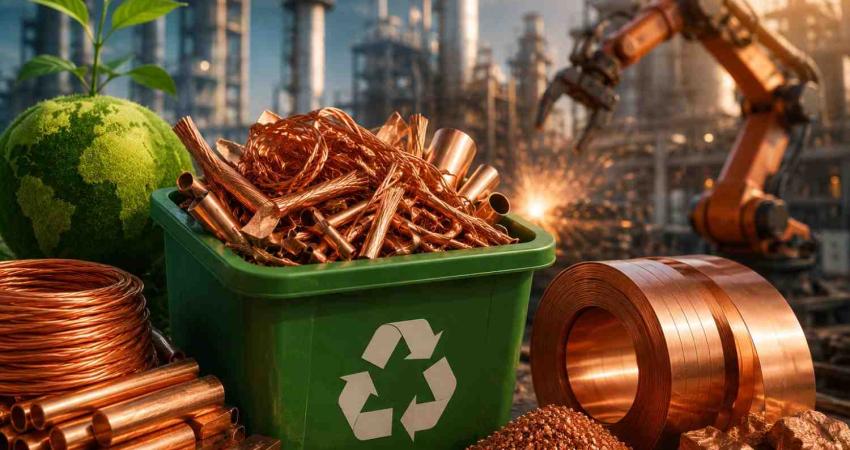
Benefits of Recycling Copper Scrap for Industries
Have you ever stopped to think about the reddish-brown metal running silently behind almost every piece of technology we use daily? From the electric wiring in your apartment to the complex circuit boards in electric vehicles and renewable energy grids, copper is the absolute heartbeat of modern infrastructure.
As global demand for clean energy, smart electronics, and advanced manufacturing skyrockets, industries face a big question: How do we keep powering the future without draining the planet or blowing through operational budgets?
The answer lies in a simple yet revolutionary strategy: recycling copper scrap. Recycling this essential non-ferrous metal isn't just an eco-friendly trend—it is a high-yield economic decision for industrial enterprises worldwide. Let’s dive into why scrap copper recycling is transforming industrial supply chains and how partnering with trusted metal trading experts like Conmet International LLP gives businesses a competitive edge.
1. Substantial Cost Savings and Price Stability
Mining raw copper ore out of the earth is an expensive, resource-heavy enterprise. It requires heavy machinery, massive fuel consumption, chemical processing, and extensive logistics. Naturally, those high primary production costs trickle down to manufacturers.
Recycling copper scrap bypasses the primary extraction phase entirely. Processing recycled copper requires up to 85% less energy than refining virgin ore from earth-mined raw materials. For industrial manufacturers, this massive energy reduction translates directly into cheaper raw material inputs. By integrating high-grade copper scrap, copper wire scrap, and remelted copper ingots into production lines, companies can significantly reduce their bill of materials and shield themselves from the wild price fluctuations of the global primary metal market.
2. 100% Recyclable with Zero Loss in Performance
Here is a incredible fact about copper that makes it a superhero in the world of metallurgy: copper is infinitely recyclable.
Unlike plastics or paper, which degrade in quality every time they are recycled, copper retains 100% of its physical, chemical, electrical, and thermal properties through endless recycling cycles. Reclaimed copper wire or discarded copper busbars can be melted down and re-engineered into pristine, high-end components with zero loss in electrical conductivity or tensile strength.
Industries don't have to compromise on quality or safety standards. Whether you are producing high-voltage transformers, HVAC heat exchangers, or precision industrial machinery, recycled copper scrap yields premium performance equal to newly mined metal.
3. Slashing Carbon Footprints and Environmental Waste
With climate targets tightening around the globe, industrial leaders are under pressure to decarbonize their operational footprints. Primary copper mining requires removing massive amounts of overburden rock, which leads to soil erosion, habitat disruption, and significant carbon emissions.
Opting for recycled non-ferrous metals dramatically curtails greenhouse gas emissions. For every ton of copper scrap recycled, industries save nearly 4.3 tons of CO2 emissions compared to primary production. Moreover, recycling redirects tonnes of industrial metal waste away from overflowing landfills, transforming potential environmental burdens into valuable industrial resources. It is a win-win for industrial growth and environmental stewardship.
4. Building Resilient, Closed-Loop Supply Chains
Global supply chains can be unpredictable. Geopolitical tensions, shipping delays, and mining labor strikes can disrupt raw metal availability overnight, bringing manufacturing plants to a painful halt.
Copper scrap recycling fosters a localized, circular economy. By collecting, processing, and reintroducing secondary raw materials back into manufacturing cycles, industries build resilient supply chains that don't depend entirely on foreign mining outputs. Partnering with established metal suppliers such as Conmet International LLP ensures that manufacturing units get a consistent, reliable supply of quality-checked non-ferrous metals and scrap products to keep production lines running without interruption.
5. Elevating ESG Ratings and Winning Modern Consumers
Environmental, Social, and Governance (ESG) standards are no longer optional for growing enterprises. Investors, B2B partners, and end consumers actively choose brands that demonstrate genuine commitments to sustainable manufacturing.
Incorporating secondary raw materials like copper scrap into your supply chain provides measurable sustainability metrics. It proves that your business is actively reducing energy consumption, preserving natural reserves, and implementing sustainable waste management practices. This eco-conscious positioning opens doors to green certifications, favorable financing opportunities, and enhanced brand reputation across global markets.
How Conmet International LLP Elevates Your Industrial Supply Chain
Unlocking the full potential of metal recycling requires a dependable trading partner who understands strict quality specifications, international trade standards, and reliable logistics.
Conmet International LLP stands as a trusted supplier and trader in the non-ferrous metal industry. Specializing in high-grade non-ferrous raw materials—including copper ingots, tin ingots, nickel cathodes, and zinc scrap—Conmet International LLP bridges the gap between sustainable metal sourcing and seamless industrial operations. By providing dependable, top-tier secondary metal solutions, Conmet International LLP helps manufacturers optimize raw material costs while advancing their sustainability commitments.
Frequently Asked Questions (FAQs)
Q1: Does recycled copper lose its electrical or thermal conductivity compared to virgin copper?
No, recycled copper retains 100% of its electrical conductivity, thermal efficiency, and mechanical strength. Its atomic structure remains unchanged during the remelting and refining process, making recycled copper scrap identical in quality to newly mined copper.
Q2: Why is copper scrap recycling considered more energy-efficient than mining?
Mining requires energy-intensive rock excavation, crushing, grinding, smelting, and chemical refining. Recycling copper scrap bypasses extraction entirely, using up to 85% less energy to melt and reshape the metal into ready-to-use raw material.
Q3: What types of industrial copper scrap are commonly recycled?
Commonly recycled copper scrap includes bright bare copper wire, heavy copper tubing, copper busbars, motor windings, industrial scrap cuttings, and remelted copper ingots.
Q4: How does sourcing recycled metals through Conmet International LLP benefit businesses?
Conmet International LLP supplies high-quality non-ferrous metals and secondary raw materials. Partnering with Conmet International LLP ensures predictable inventory, competitive pricing, strict quality control, and a streamlined supply chain aligned with modern eco-friendly manufacturing goals.