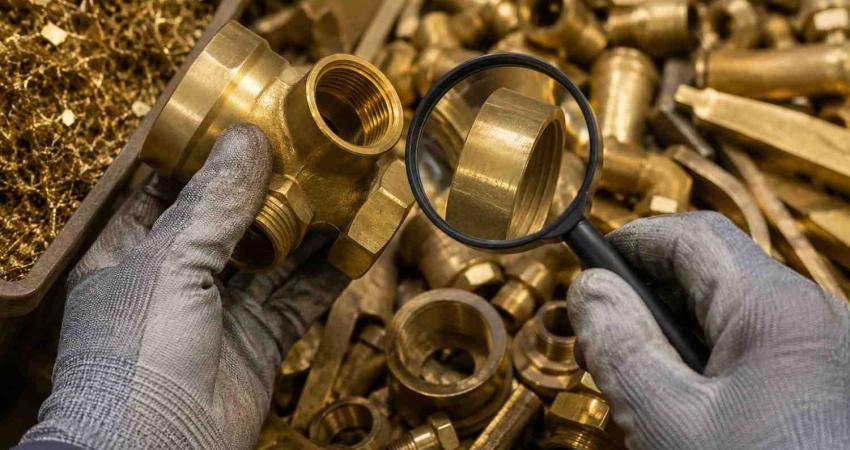
How to Identify High-Quality Brass Scrap
Have you ever stumbled across a pile of old plumbing valves, decorative hardware, or industrial machine fittings and wondered what they were worth? If so, you are looking at one of the most reliable revenue streams in the metal recycling industry: brass scrap.
Whether you are an aspiring metals trader, a DIY scrapper, or an industrial buyer in your 20s or 30s looking to optimize your material recovery, knowing how to spot top-tier brass is a game-changer. Brass isn't just a shiny yellow metal; it’s a valuable non-ferrous alloy made primarily of copper and zinc. Because copper prices remain high on global markets, learning to evaluate high-quality brass scrap can significantly boost your returns.
At Conmet International LLP, a leading trader in non-ferrous metals and industrial alloys, quality verification is the cornerstone of efficient recycling. Here is your ultimate guide to identifying, grading, and separating high-grade brass scrap like an industry insider.
Why Brass Scrap Quality Matters
Not all scrap metal carries the same tag. The market value of brass scrap hinges on three major factors: purity, copper percentage, and contamination levels.
When scrap yards and industrial refiners evaluate brass, higher copper content translates directly into a higher price per pound. Conversely, if your brass is attached to iron screws, plastic hoses, or heavy coats of rubber, it gets labeled as "dirty brass," fetching a lower rate. Knowing how to sort "clean" high-grade brass from lower-grade mixed alloys ensures you never leave money on the table.
Key Steps to Identify High-Quality Brass Scrap
Identifying high-grade brass does not require an advanced physics laboratory. You can execute a quick, multi-step quality assessment right on the shop floor using these straightforward techniques:
1. Perform the Scratch Test for Color and Copper Content
The quickest way to estimate copper purity is by looking at the metal's hue:
Red Brass Scrap: Red brass features a high copper content (around 80% to 85%) mixed with tin and zinc. It has a distinct reddish or warm golden-brown tint. Red brass is highly prized and yields top market returns.
Yellow Brass Scrap: The most widespread commercial grade, containing roughly 60% to 65% copper and 35% zinc. It exhibits a bright, pale golden-yellow appearance.
The Scratch Method: Old brass often forms a greenish or brown patina (verdigris) over time. Take a small metal file or screwdriver and scratch the surface. Fresh yellow brass will reveal a vibrant yellow glint beneath, while high-value red brass will reveal a deeper, reddish-gold tone.
2. The Magnet Test (Checking for Contaminants)
Pure brass is non-ferrous and non-magnetic. Keep a strong neodymium magnet in your pocket. If the magnet sticks to your item, steel or iron attachments are present—such as iron bolts inside a brass valve or steel springs inside a lock mechanism. Removing these iron parts converts "dirty brass" into premium, high-value clean scrap.
3. Check for Density and Weight
Brass is noticeably dense and heavy. Compared to aluminum or zinc die-cast items (which can sometimes be painted yellow to imitate brass), genuine brass feels solid and heavy in the hand. If a piece feels light or brittle, it may be aluminum or brass-plated zinc.
4. Inspect Surface Coatings and Attachments
High-grade brass scrap should be free from non-metallic contaminants. Look out for rubber washers, plastic fittings, glass inserts, or heavy lead solder. While coated or enameled brass is recyclable, completely clean brass solids command the highest rates across international scrap markets.
Decoding Industry Brass Scrap Grades
In international trade, scrap metal buyers and processors classify brass using standard Institute of Scrap Recycling Industries (ISRI) grade codes. Leading metal trading companies like Conmet International LLP handle these specifications regularly to ensure precise chemical composition and fair pricing:
Honey (Yellow Brass Scrap): Clean, solid yellow brass tubing, rod scrap, door hardware, and fixtures free from iron and aluminum attachments.
Pale / Ebony (Red Brass Scrap): Unalloyed red brass valve bodies, machinery bearings, and water meter casings rich in copper.
Label (Lead-Bearing Brass): Machining stock containing small lead additions for free-cutting properties.
Nassau (Brass Turnings & Borings): Clean turnings or swarf produced during industrial machining and CNC milling.
Ocean: Enameled or lacquer-coated brass pieces.
How to Maximize the Value of Your Brass Scrap
If you want to turn everyday metal collection into a profitable venture, follow these simple preparation steps before selling:
Sort by Grade: Never mix red brass and yellow brass together. Keeping high-copper red brass in a separate container ensures you get paid full value for it.
Strip Contaminants: Take a few minutes to unscrew steel bolts, pop out plastic rings, and cut away rubber hoses.
Separate Turnings from Solids: Keep solid brass castings and pipes away from loose metal shavings or borings.
Partner with Reputable Traders: Work with established non-ferrous metal specialists like Conmet International LLP to get accurate material testing (such as handheld XRF analyzer evaluation) and transparent pricing based on real-time market rates.
Frequently Asked Questions (FAQs)
What is the main difference between red brass scrap and yellow brass scrap?
Red brass scrap contains a higher percentage of copper (around 80-85%), giving it a darker, warm reddish hue and higher market value. Yellow brass scrap contains around 60-65% copper and more zinc, giving it a lighter, pale yellow tone.
How can I tell brass apart from bronze or pure copper?
Copper displays a distinct salmon-pink or deep reddish-orange color. Bronze is darker brown and harder. Brass is yellowish-gold. A light surface scratch usually makes the underlying metal color instantly recognizable.
Is tarnished or oxidized brass scrap worth less?
Not significantly! Surface tarnish or green oxidation (verdigris) is normal for aged metals. As long as the metal core is solid brass and free from heavy iron or dirt contamination, it retains its intrinsic metallurgical value.
Why should I partner with Conmet International LLP for brass scrap trading?
Conmet International LLP brings extensive industry expertise in non-ferrous scrap handling, transparent material evaluations, and reliable trading channels. Partnering with seasoned specialists ensures you receive accurate grading, professional service, and maximum value for your scrap metal assets.