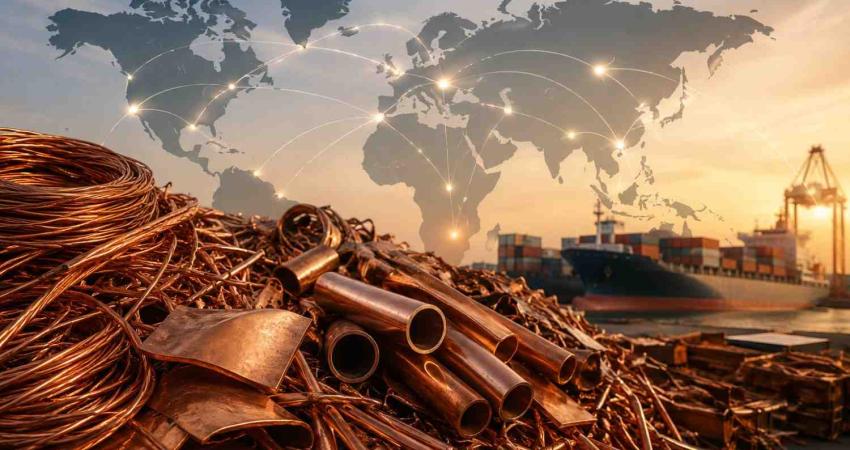
Why Copper Scrap is in High Demand Worldwide
Have you ever stopped to look at an old electrical wire or an obsolete home appliance and wondered what it’s actually worth? To the untrained eye, it might look like clutter destined for a dusty bin. But to the global industrial market, that discarded material represents one of the most sought-after commodities on Earth: copper scrap.
Today, recycled copper isn’t just a budget-friendly option for manufacturers; it is a critical driver of the modern global economy. From powering the next generation of electric vehicles to building massive solar farms, the world’s appetite for copper is growing at a record-breaking pace. Let's break down why high-grade copper scrap is currently sitting at the very center of a global industrial boom.
The Green Transition: EVs, Solar, and Wind Energy
If you want to understand why recycled copper is in such high demand, you only need to look at the global shift toward clean energy. The green transition is essentially an electrification transition, and electrification simply cannot happen without copper.
Because copper possesses exceptional electrical and thermal conductivity, it serves as the ultimate highway for electric currents. Consider these eye-opening facts about modern green tech:
Electric Vehicles (EVs): A conventional gas-powered car uses around 20 to 25 kilograms of copper. In contrast, a single battery electric vehicle requires roughly 60 to 83 kilograms of copper across its motor, battery pack, inverters, and heavy-duty wiring harnesses.
EV Charging Networks: Fast-charging stations, transformer systems, and grid extensions require hundreds of thousands of tons of high-conductivity copper cabling.
Renewable Power Generation: Offshore wind turbines and vast solar farms demand up to five times more copper per megawatt of generated electricity than traditional fossil-fuel power plants.
Because primary mining alone cannot keep up with this exponential rise in clean energy projects, secondary copper units derived from scrap are stepping in to fill the supply deficit.
Primary Mining Bottlenecks vs. The Circular Economy
Why don't we just dig more copper out of the ground? It sounds simple enough, but the reality of copper mining is far more complicated.
Opening a new primary copper mine takes anywhere from 10 to 15 years due to strict environmental permits, intense capital expenditure, and complex geopolitical logistics. Furthermore, copper ore grades in existing mines around the world are steadily declining. Miners have to move far more earth to extract the exact same amount of metal, driving up energy costs and carbon emissions.
This is where the circular economy steps in. Copper is 100% recyclable and can be processed repeatedly without losing its physical properties, structural integrity, or electrical conductivity. Recycling copper scrap consumes up to 85% less energy than mining and refining primary ore from scratch. For industries striving to lower their carbon footprint and reduce Scope 3 emissions, buying recycled non-ferrous metal isn't just smart—it’s essential.
How Industry Leaders Drive the Scrap Supply Chain
Matching raw industrial demand with high-quality recycled material requires robust international networks and strict quality controls. That’s precisely where specialized industry leaders make a massive impact.
Companies like Conmet International LLP play a central role in sourcing, importing, and distributing high-grade non-ferrous metals and scrap. By connecting global supply networks with downstream manufacturers, Conmet International LLP ensures that high-purity copper, zinc, and nickel raw materials reach the foundries and refiners that keep global supply chains moving efficiently.
When suppliers deliver properly sorted, low-contamination copper scrap to experienced trade partners, they unlock maximum value while helping manufacturers secure reliable, eco-friendly metal feeds.
Financial Efficiency in a Volatile Market
Beyond environmental benefits, copper scrap makes pure financial sense. Refined virgin copper cathode can carry steep premiums and is subject to intense global commodity price swings. Recycled copper provides a cost-effective alternative for smelters, foundries, and wire-rod manufacturers, allowing them to keep operational costs manageable while delivering top-tier end products.
As global urban centers expand, smart cities upgrade their grids, and data centers scale up for AI infrastructure, copper scrap will remain one of the most profitable and strategic resources on the planet.
Frequently Asked Questions (FAQs)
What types of copper scrap are most valuable?
Bright bare copper wire (often referred to as "Candy" or Grade 1 copper) carries the highest value because it is unalloyed, uncoated, and virtually free of contamination or insulation. Clean copper pipes, tubing, and heavy scrap also command high market rates.
Does copper lose quality when recycled?
Not at all! Copper can be recycled indefinitely without experiencing any degradation in performance, conductivity, or strength. Recycled copper functions identically to freshly mined copper cathode.
How does using copper scrap help the environment?
Recycling copper saves up to 85% of the energy required to mine raw copper ore, reduces toxic mining waste (tailings), conserves groundwater, and drastically diminishes greenhouse gas emissions during processing.
Why is Conmet International LLP key in the non-ferrous market?
Conmet International LLP bridges the gap between global scrap availability and industrial production demands. Through expert sourcing and international trade of non-ferrous metals, they help industries maintain sustainable, efficient manufacturing operations.