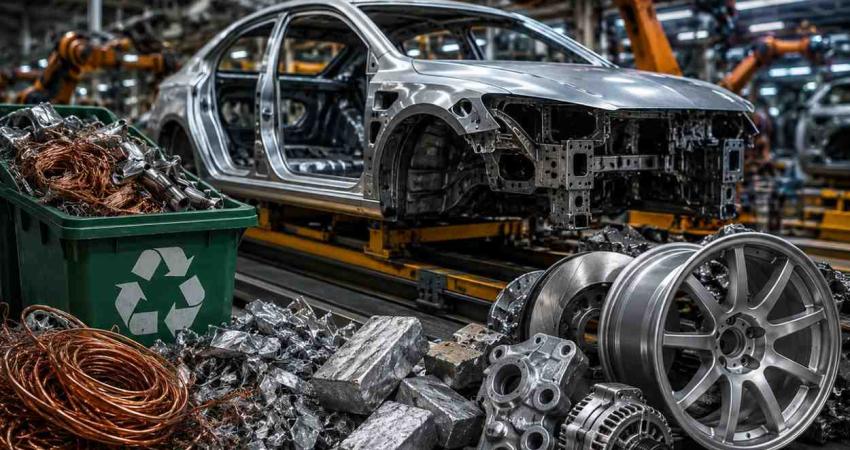
How Recycled Metals Support the Automotive Industry
Ever wondered what happens to a vehicle after it finishes its last mile on the road? Years ago, an old sedan might have spent decades rusting away in a scrap heap. Today, that very same car is reborn! In modern automotive manufacturing, recycled metals are no longer just an alternative; they are the backbone of a cleaner, smarter, and far more sustainable future.
From sleek body panels to internal engine components and electric vehicle (EV) battery casings, eco-conscious raw materials are driving a massive transformation in how vehicles are designed and built. Leading suppliers like Conmet International LLP are at the center of this transition, bridging the gap between raw scrap processing and high-purity industrial supply to power tomorrow's mobility.
Here is a look at how recycled metals are reshaping the automotive landscape and why this shift matters to every driver on the road today.
The Power of Recycled Metals in Modern Vehicle Manufacturing
When we talk about automobile production, two main categories of recycled metals do the heavy lifting: ferrous metals (like steel and iron) and non-ferrous metals (such as aluminum, copper, zinc, and nickel).
Steel has long been the primary choice for vehicle frames due to its structural strength and affordability. Luckily, steel is also 100% recyclable without losing any of its physical properties. Meanwhile, lightweight metals like aluminum and zinc are taking center stage in fuel-efficient and electric cars. Aluminum allows manufacturers to drastically reduce vehicle weight, which translates directly into better fuel economy and extended battery range.
By turning secondary scrap into high-performance industrial alloys, the automotive supply chain preserves natural resources while upholding strict engineering standards.
Environmental Impact: Cutting Carbon Footprints with Circular Materials
The environmental benefits of metal recycling in automotive production are remarkable. Traditional mining and refining processes for virgin ores demand massive amounts of energy, consume thousands of gallons of water, and release substantial greenhouse gas emissions.
By contrast, using recycled metals slashes production energy requirements dramatically:
Recycled Aluminum: Consumes up to 95% less energy compared to primary smelting from bauxite ore.
Recycled Steel: Cuts energy consumption by approximately 75% and reduces raw material extraction by up to 90%.
Recycled Copper and Zinc: Prevents extensive habitat degradation caused by open-pit mining operations while preserving finite reserves.
Adopting a circular economy where scrap from end-of-life vehicles is reprocessed back into brand-new models prevents landfill waste and keeps millions of metric tons of carbon dioxide out of the atmosphere each year.
Economic Efficiency & Supply Chain Resilience
In addition to protecting the planet, recycled metals offer crucial economic advantages for global automakers. Primary metal markets often suffer from price volatility, supply bottlenecks, and geopolitical disruptions. Secondary metals create a localized, reliable buffer that stabilizes raw material costs.
When car manufacturers partner with established scrap importers and metal distributors like Conmet International LLP, they gain access to high-grade non-ferrous scrap, zinc ingots, copper alloys, and aluminum feedstocks. This reliable supply chain allows automakers to lower production costs, pass savings along to consumers, and protect their assembly lines from unpredictable global shortages.
How Non-Ferrous Metals Are Powering the EV Revolution
The rise of electric mobility has amplified the demand for specialized, non-ferrous recycled metals. Electric vehicles require roughly three times more copper than conventional gas-powered cars due to complex electrical wiring, electric motors, and charging hardware. Similarly, high-purity zinc and nickel alloys play essential roles in corrosion protection, structural plating, and battery technologies.
Advanced sorting technologies such as sensor-based optical sorters and AI driven shredder systems now allow processing facilities to extract these valuable non-ferrous metals with exceptional purity. As a result, recycled copper and zinc can be directly reintegrated into next-generation EV platforms without compromising electrical conductivity or mechanical durability.
Conmet International LLP: Driving Sustainability in Metal Sourcing
A successful circular economy relies on trusted partners who understand metal purity, global trade compliance, and precise technical specifications.
As a prominent distributor and trader of high-grade non-ferrous metals, including zinc ingots, copper scrap, nickel cathodes, and aluminum products, Conmet International LLP supports the automotive manufacturing ecosystem. By delivering reliable, high-purity recycled raw materials, Conmet International LLP helps manufacturers meet stringent corporate sustainability goals while maintaining top-tier vehicle performance and safety standards.
Frequently Asked Questions (FAQs)
What role do recycled metals play in the automotive industry?
Recycled metals provide durable, cost-effective, and low-carbon raw materials for producing vehicle bodies, engine components, chassis, electrical wiring, and EV battery structures.
Are recycled metals as strong and durable as virgin metals?
Yes. Ferrous and non-ferrous metals like steel, aluminum, and copper retain 100% of their structural integrity, strength, and electrical properties when recycled properly.
Why are non-ferrous recycled metals especially important for electric vehicles?
Electric vehicles rely heavily on non-ferrous metals like copper for electrical conductivity and aluminum for lightweight structural framing. Using recycled non-ferrous metals reduces the overall environmental impact of EV production.
How does Conmet International LLP support sustainable automotive supply chains?
Conmet International LLP supplies high-purity non-ferrous metals such as zinc scrap, copper ingots, and nickel to help automotive manufacturers maintain consistent supply chains and hit aggressive carbon reduction targets.
What is the main environmental benefit of automotive metal recycling?
Automotive metal recycling saves up to 95% of the energy required to mine and refine raw ores, drastically lowers greenhouse gas emissions, and prevents land degradation from open-pit mining.